What is dental implants?
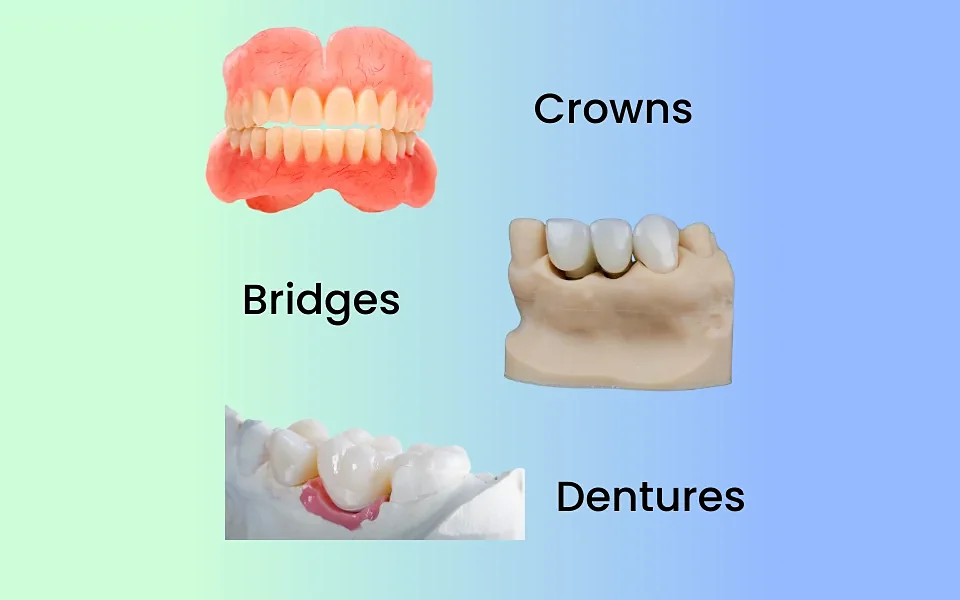
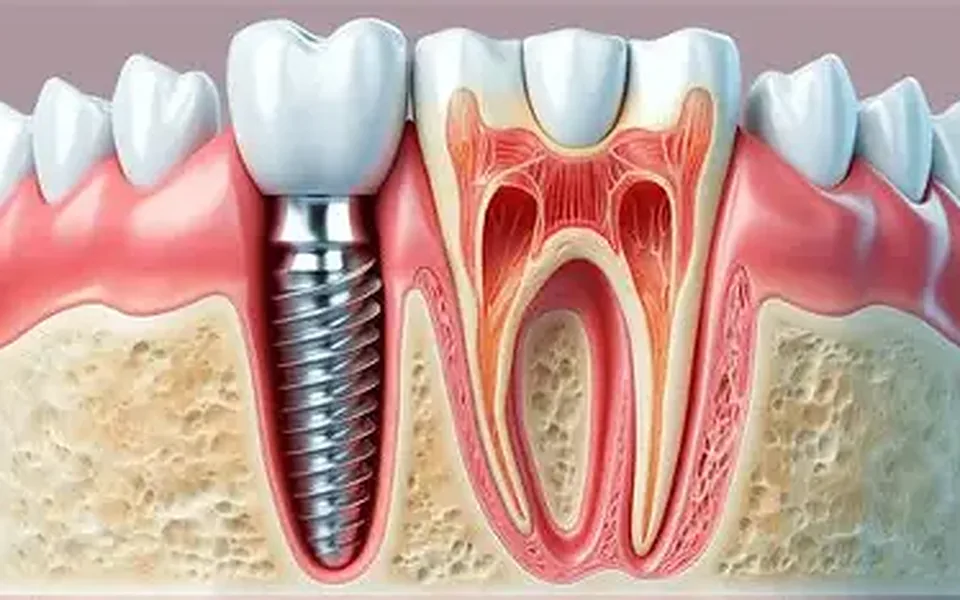
A dental implant is a small titanium post placed in the jawbone to act as an artificial tooth root. Once it bonds with the bone, a crown, bridge or denture is fixed on top. The result looks, feels and functions much like a natural tooth.
Unlike a conventional bridge, an implant does not require cutting down neighbouring healthy teeth. It also helps preserve the jawbone, which naturally shrinks after a tooth is lost.
Benefits of Dental Implants
- Fixed teeth that do not move or slip
- Natural look and comfortable chewing
- Neighbouring teeth are left untouched
- Helps preserve jawbone and facial shape
- Can support a full set of teeth
- Long-lasting solution with good care
What to expect
Consultation & planning
Examination and X-rays assess bone, gums and overall health.
Implant placement
The implant is placed in the jawbone under local anaesthesia.
Healing
Over a few weeks to months the implant fuses with the bone (osseointegration).
Final tooth
A custom crown, bridge or denture is fixed to the implant.
Who may need this treatment
- Adults with one or more missing teeth
- People unhappy with loose removable dentures
- Patients who want to avoid preparing healthy teeth for a bridge
- Those with adequate bone and good general health (we assess this for you)
Every patient is different. The right treatment for you will be decided after a clinical examination by Dr. Nithiya.
Frequently asked questions
Is implant surgery painful?
Implant placement is done under local anaesthesia, so you should not feel pain during the procedure. Mild soreness for a few days afterwards is normal and managed with medicines.
How long does the whole implant process take?
It depends on bone quality and the number of implants. Typically it takes a few months from placement to the final tooth, to allow proper healing.
Can anyone get dental implants?
Most healthy adults can. Uncontrolled diabetes, heavy smoking or low bone volume may need extra planning. We will assess your suitability during consultation.
How do I care for implants?
Brush and floss as you would natural teeth and attend regular check-ups. Good hygiene is key to long-term success.