What is root canal treatment?
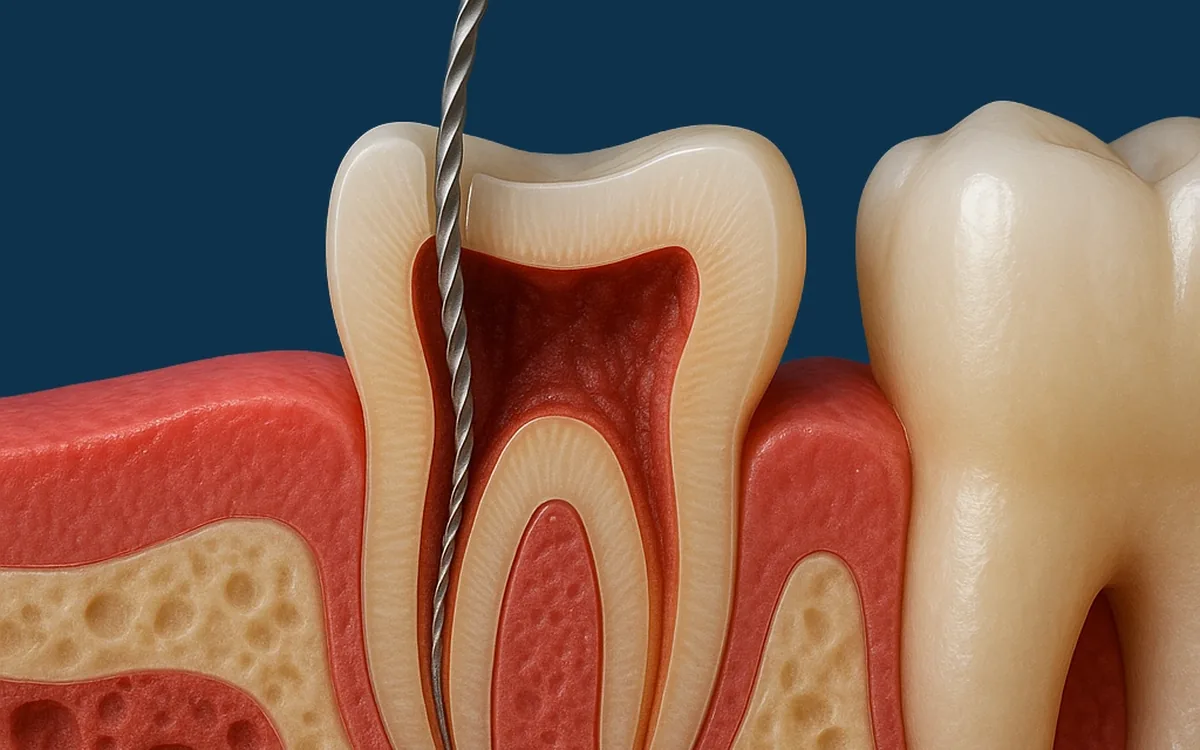
When decay or a crack reaches the inner pulp of a tooth, the nerve can become inflamed or infected. This causes throbbing pain, sensitivity to hot food and sometimes swelling. Root canal treatment (RCT) removes the infected pulp, cleans and disinfects the canals and seals the tooth, so you can keep your natural tooth.
With modern local anaesthesia, rotary instruments and RVG digital X-rays, root canal treatment today feels very similar to having a filling. Our focus is on your comfort at every step.
Benefits of Root Canal Treatment
- Relieves toothache caused by infection
- Saves your natural tooth instead of removing it
- Stops infection from spreading
- Restores normal chewing
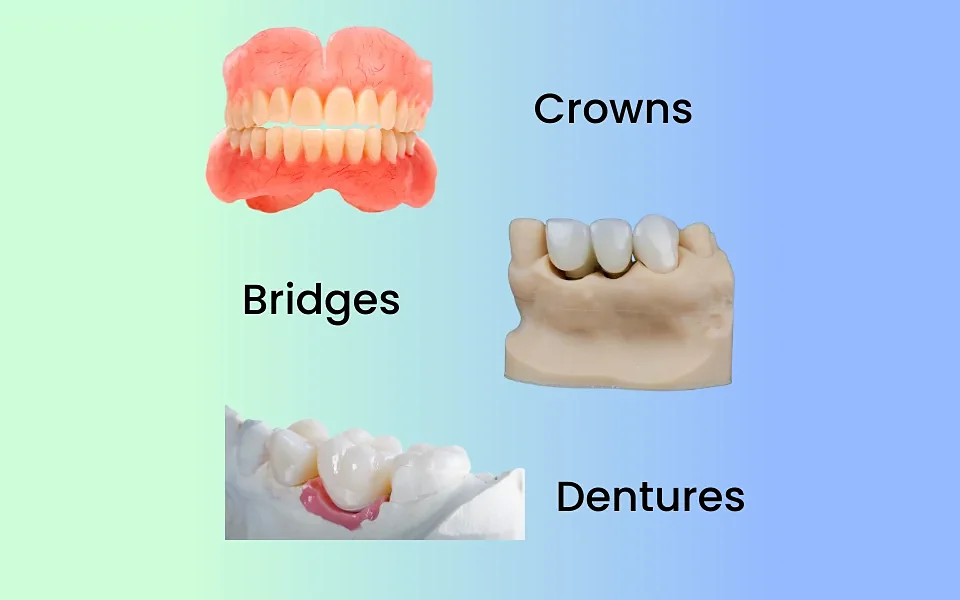
- Natural appearance with a crown
- Long-lasting result with good care
What to expect
Diagnosis
Clinical tests and an RVG X-ray confirm the problem and show the root shape.
Anaesthesia & cleaning
The tooth is numbed and the infected pulp is gently removed from the canals.
Shaping & disinfection
Canals are shaped and disinfected to remove bacteria.
Sealing
Canals are filled and sealed to prevent re-infection.
Crown
Most back teeth need a crown afterwards to protect them from fracture.
Who may need this treatment
- Severe or lingering toothache
- Pain with hot or cold food that lasts after the stimulus
- Swelling or a pimple-like bump on the gum
- A darkened tooth or deep decay seen on X-ray
- A cracked tooth that has reached the nerve
Every patient is different. The right treatment for you will be decided after a clinical examination by Dr. Nithiya.
Frequently asked questions
Is root canal treatment painful?
The procedure is done under local anaesthesia, so most patients feel little more than pressure. In fact, RCT is done to relieve the pain caused by infection.
How many visits are needed?
Many root canals can be completed in one or two visits. Teeth with severe infection or complex roots may need an extra visit.
Do I need a crown after root canal treatment?
Usually yes for back teeth, because a root-treated tooth can become brittle. A crown protects it and restores full chewing strength.
Is extraction better than a root canal?
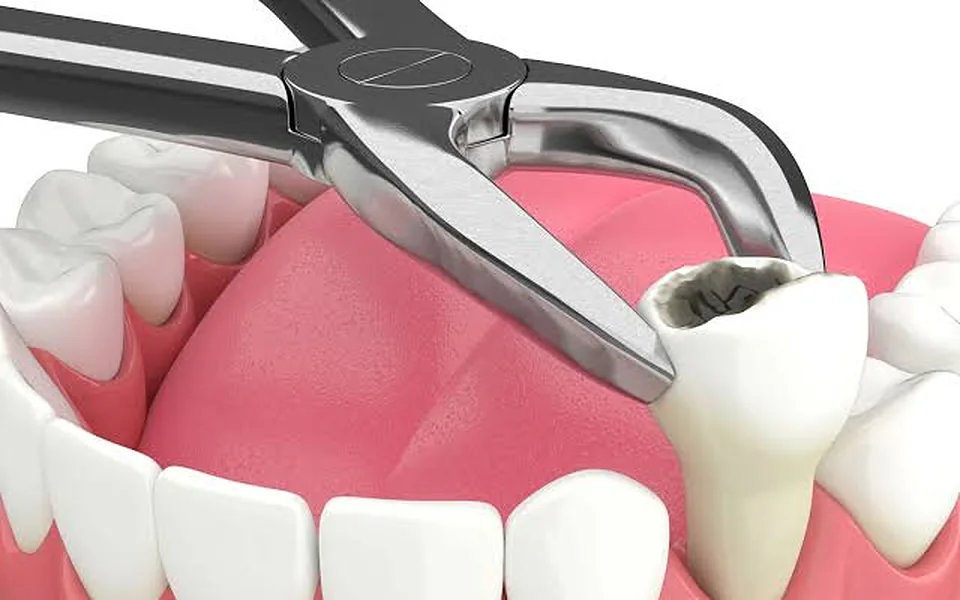
Saving your natural tooth is generally preferred. Removing a tooth can lead to shifting teeth and the need for an implant or bridge later. We will explain both options honestly.