What is gum disease & laser gum treatment?
Gum disease (periodontitis) begins quietly with red, swollen or bleeding gums. If untreated, it can destroy the bone that supports teeth, leading to loose teeth and eventually tooth loss. Gum disease is also linked with diabetes and heart health.
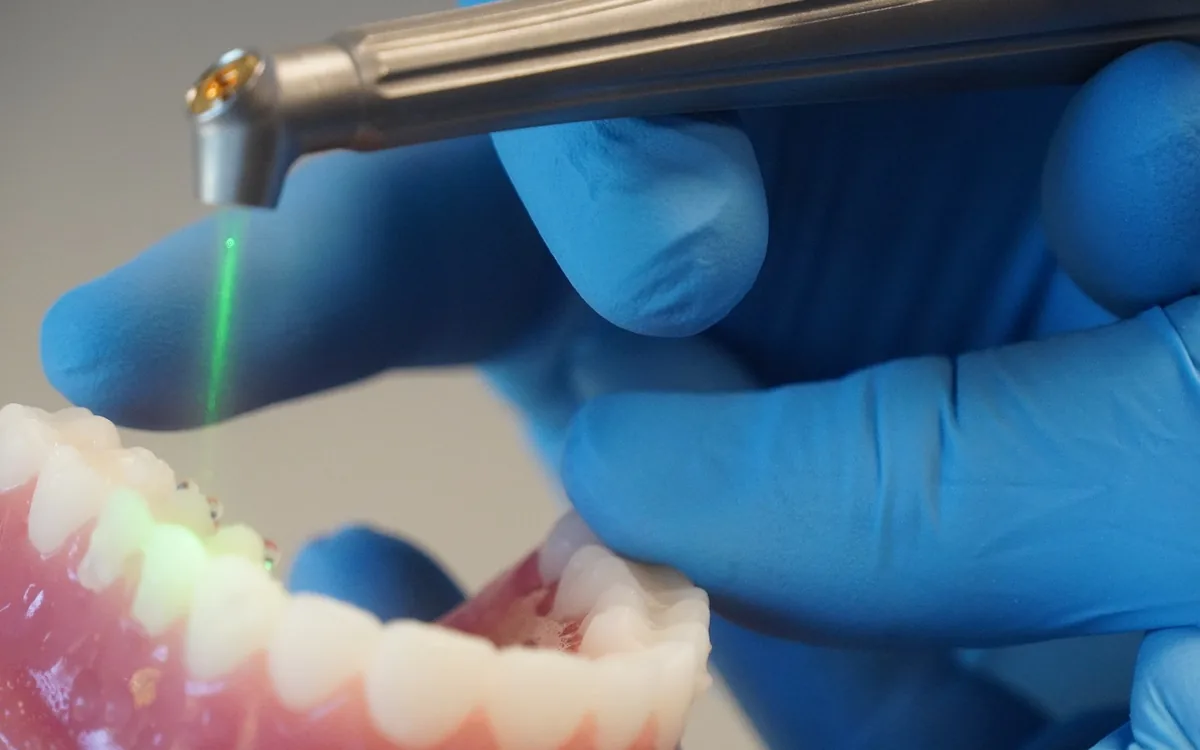
Treatment depends on severity. Early gum disease often responds to professional deep cleaning. Advanced cases may need flap surgery or laser-assisted gum treatment to clean deep pockets and help the gums heal.
Benefits of Gum Disease & Laser Gum Treatment
- Stops bleeding and swollen gums
- Reduces gum pockets and bad breath
- Helps save loose teeth
- Laser options with less discomfort
- Supports better diabetes control
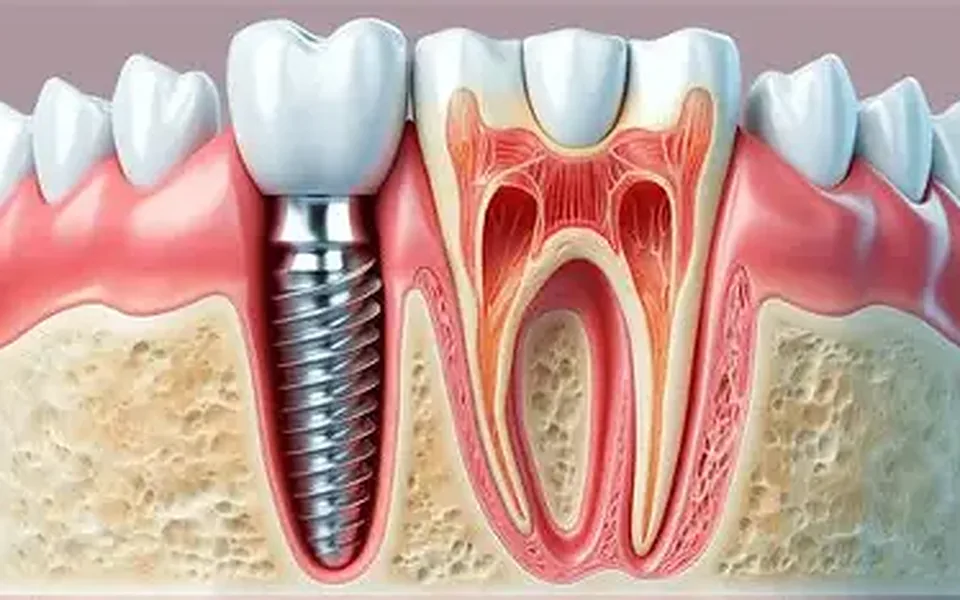
- Protects the investment in crowns and implants
What to expect
Gum charting
We measure pocket depths and check bone levels with X-rays.
Deep cleaning
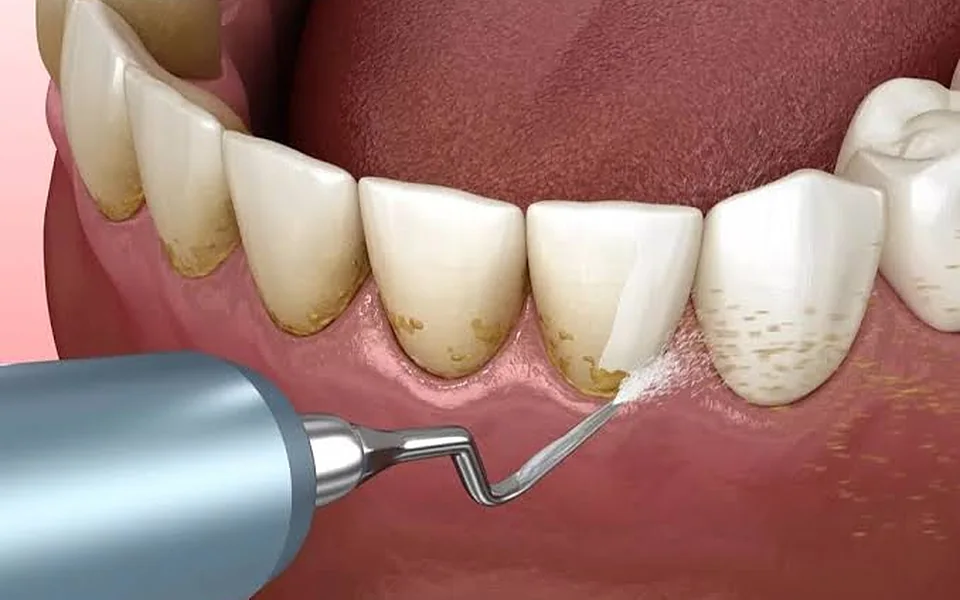
Scaling and root planing remove deposits below the gum line.
Surgical or laser care
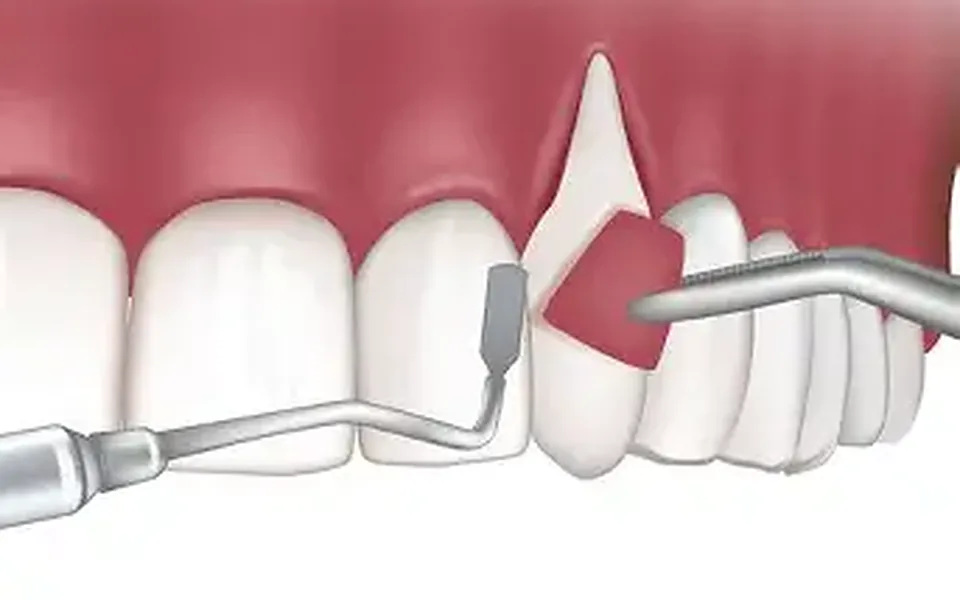
Flap surgery or laser treatment for deep or persistent pockets.
Maintenance
Regular reviews keep gum disease under control.
Who may need this treatment
- Bleeding gums while brushing
- Persistent bad breath
- Receding gums or teeth that look longer
- Loose or shifting teeth
- Patients with diabetes or who smoke
Every patient is different. The right treatment for you will be decided after a clinical examination by Dr. Nithiya.
Frequently asked questions
Can gum disease be cured?
Early gum disease (gingivitis) is reversible with cleaning and good home care. Advanced gum disease can be controlled and stabilised with treatment and regular maintenance.
What is flap surgery?
Under local anaesthesia, the gum is gently lifted to clean deep pockets and root surfaces, then repositioned so it heals tightly around the teeth.
How does laser gum treatment help?
The laser helps remove infected tissue and reduce bacteria in pockets, often with less bleeding and faster healing.
Is bleeding while brushing normal?
No. Healthy gums do not bleed. Bleeding is an early warning sign that should be checked.